
AB InBevCapital ProjectsScrum
AB InBev Reduced a $50 Million Capital Project Budget by 15% Using Scrum
AB InBev set out to turn brewing surplus into valuable new products through its Saint Louis Axe capital project. By applying Scrum during the design phase, the team reduced the project's projected budget by >15%, without significantly changing its scope.
Working with Scrum Inc. and an internal Scrum Trainer, the team used Scrum to navigate complex design challenges, strengthen collaboration across teams, improve communication, and increase accountability, all before construction began.
Working with Scrum Inc. and an internal Scrum Trainer, the team used Scrum to navigate complex design challenges, strengthen collaboration across teams, improve communication, and increase accountability, all before construction began.

Results at a glance
15%
Reduction in projected project budget
$50M+
Estimated total project value
90%+
Daily Scrum attendance among full-time team members
31%
Lower relative task carryover rate for group-assigned work
The Challenge
A Complex Project That Called
for a More Collaborative Approach
AB InBev saw an opportunity to get more value from its brewing byproducts, including developing an industrial-scale process to recover protein from spent grain. But bringing that process to life came with challenges.
The new facility had to fit inside a building more than 100 years old, requiring engineers, operations specialists, and project managers to balance technical requirements, construction constraints, cost, and quality.
AB InBev saw this as an opportunity to test a different approach to capital construction. The company selected the project as a pilot for applying Scrum, beginning with Front-End Planning, when scope, design decisions, and funding requirements were still taking shape. .
AB InBev Capital Project Process
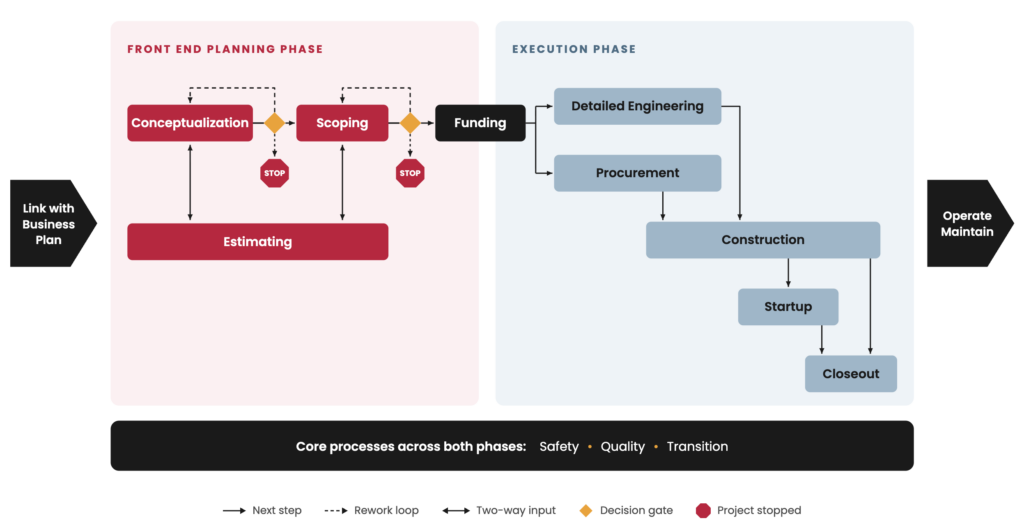
AB InBev Capital Project Process - The Saint Louis Axe team applied Scrum during Front-End Planning, including the funding stage, before the project moved into detailed engineering and construction.
How They Got There
Bringing Scrum into
Capital Project Planning
The team introduced Scrum as a Process (SaaP), using a shared backlog, daily Scrum meetings, time-boxed Sprints, and regular reviews to coordinate work.
Instead of relying primarily on traditional status reporting through management layers, team members could see what needed to happen, understand where their work intersected, and raise impediments directly.
This changed how the team worked together in three important ways.
Instead of relying primarily on traditional status reporting through management layers, team members could see what needed to happen, understand where their work intersected, and raise impediments directly.
This changed how the team worked together in three important ways.
01
Communication became more open.
Daily Scrum meetings gave everyone a shared understanding of priorities and progress, regardless of their position in the organization. Team members reported more candid discussions and fewer barriers to sharing information.
02
Collaboration crossed functional boundaries.
With tasks and priorities visible, specialists could identify opportunities to contribute to one another's work. That was particularly important when civil and process engineers needed to coordinate the design of the new protein refinement process within the existing building.
03
Accountability became a shared responsibility.
Every backlog task had an assigned individual or group responsible for its progress. Daily updates and Sprint Reviews made it easier to identify impediments, discuss solutions, and demonstrate completed work to stakeholders.
The Results
Stronger Collaboration,
More Consistent Delivery, Lower Costs
Scrum provided AB InBev’s team with a more effective way to coordinate work, identify dependencies, and resolve challenges together. Full-time team members attended more than 90% of Daily Scrum meetings, with nearly perfect attendance at major backlog and review meetings. Regular engagement with these Scrum events helped keep priorities visible and gave specialists across the project more opportunities to address issues before they slowed progress.
The benefits of collaboration also appeared in the backlog data. Across 413 tasks and 10 Sprints, group-assigned tasks had a 25% carryover rate, compared with 36% for individually assigned tasks. Smaller tasks also had lower carryover rates. For a project with complex, interconnected requirements, these patterns highlighted how shared ownership and manageable tasks were linked to more consistent Sprint completion.
The benefits of collaboration also appeared in the backlog data. Across 413 tasks and 10 Sprints, group-assigned tasks had a 25% carryover rate, compared with 36% for individually assigned tasks. Smaller tasks also had lower carryover rates. For a project with complex, interconnected requirements, these patterns highlighted how shared ownership and manageable tasks were linked to more consistent Sprint completion.
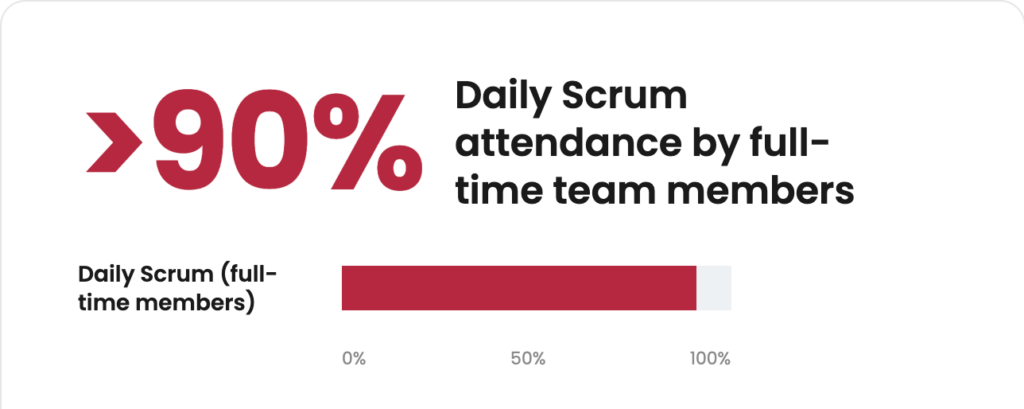
Based on cursory observation. Attendance at high-level Scrum artifact meetings (Product Backlog and Product Review) was nearly perfect.
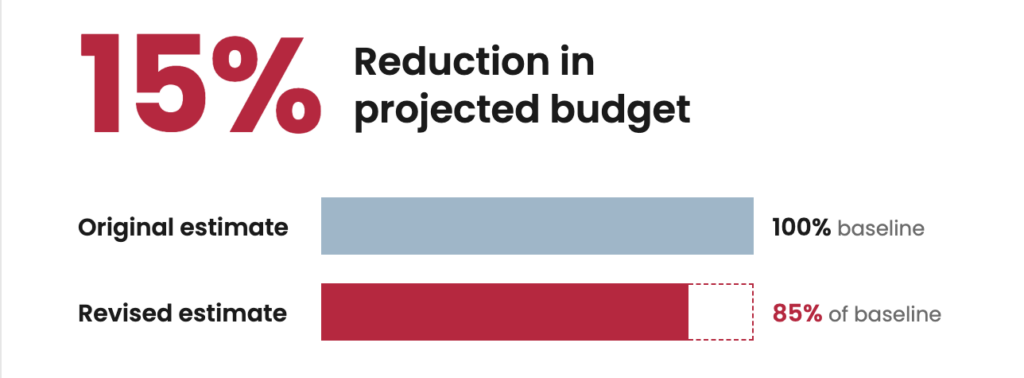
Indexed comparison.
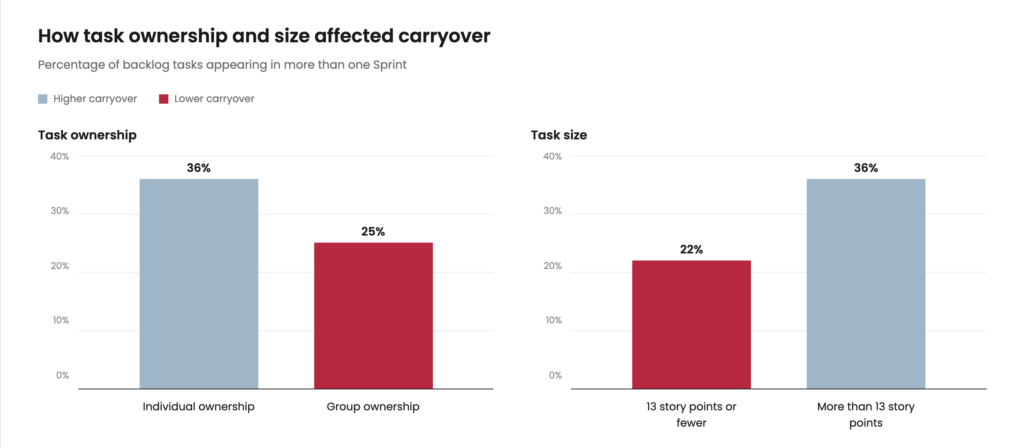
Analysis of 413 backlog task records across Sprints 11–2X
The most significant financial result came during a six-month funding delay. Rather than leaving the design unchanged, the team continued refining requirements, working through technical challenges, and identifying savings. By September 2020, the projected budget for the $50 million-plus project had fallen 15%, without significant changes to scope.
Some of those savings came from decisions that affected more than one part of the system at a time. For example, by rightsizing a spray dryer, the team reduced the required building footprint and projected cooling costs, creating opportunities to lower both construction costs and future operating expenses. Even relatively small design improvements made during the planning phase had a lasting financial impact.
Additionally, identifying those opportunities required time and collaboration. So while the funding delay gave the team additional time, team members also credited Scrum with helping them collaborate and identify opportunities for improvement. The real value was being able to make those decisions while there was still time to influence the project's design, cost, and long-term performance.
The Takeaway
Rethinking How Complex
Projects Get Planned
AB InBev's experience demonstrates the value of bringing Scrum into complex capital projects while there's still time to influence costs.
By bringing different areas of expertise together, making priorities visible, and encouraging shared accountability, Scrum helped the team navigate complex challenges and make better decisions before construction began.
The results from this initial phase provided a strong case for continuing Scrum into construction and exploring its use across other AB InBev business units.
In Their Own Words
“
Scrum methodology enables very high levels of collaboration and coordination between team members.
Saint Louis Axe Product Owner
”“
We were insane for not adopting agile methods earlier; this can absolutely run on a brewery job.
Saint Louis Axe Scrum Master, 20+ Years of AB Engineering Experience
”“
Scrum provides the right amount of ownership behind tasks; allows for accountability, but the right kind of accountability.
Saint Louis Axe Scrum Master
”